
Hao Bang Ah! Snake
“Hao Bang Ah!” is a common Chinese expression meaning “Great!” or “Well done!” Each year, Chinese Theatre Works celebrates the Lunar New Year season with an original “budaixi” traditional Chinese […]
Hao Bang Ah! Snake Read More »
“Hao Bang Ah!” is a common Chinese expression meaning “Great!” or “Well done!” Each year, Chinese Theatre Works celebrates the Lunar New Year season with an original “budaixi” traditional Chinese […]
Hao Bang Ah! Snake Read More »
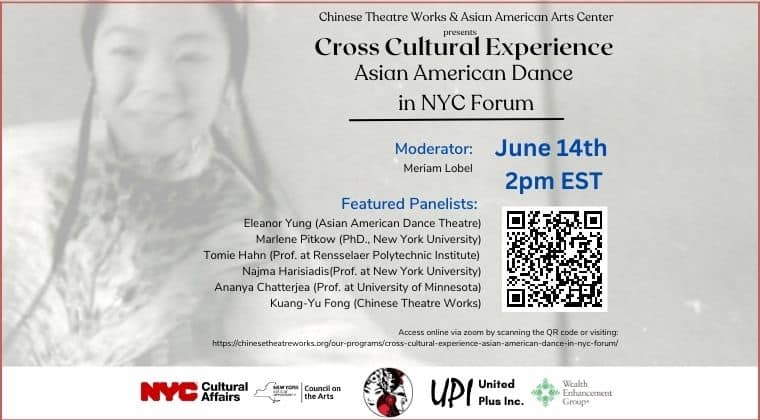
Cross Cultural Experience: Asian American Dance in NYC Forum is Chinese Theatre Works’ latest arts and academic forum focusing on the scholarship and practice of a wide range of Asian
Cross Cultural Experience: Asian American Dance in NYC Forum Read More »
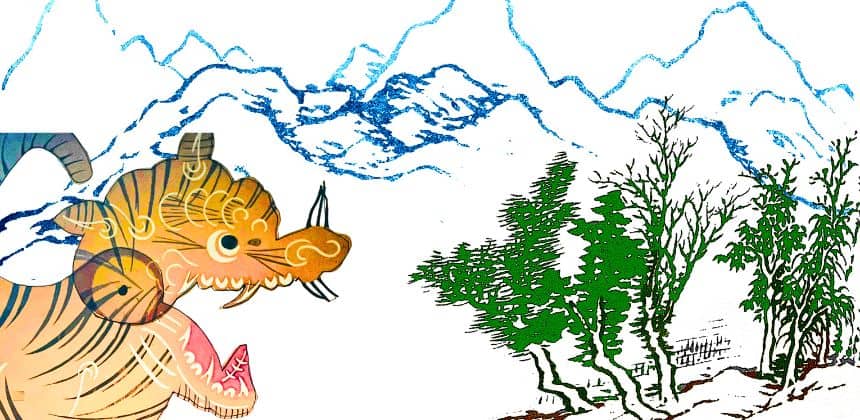
Based on a tale from 蒲松齡 Pu Song Ling’s 17th century collection of supernatural stories, 聊齋誌異 “Strange Tales from Liao Studio”, The Tiger of Zhao is Chinese Theatre Works’ newest
The Tiger of Zhao (Premier 2023) Read More »
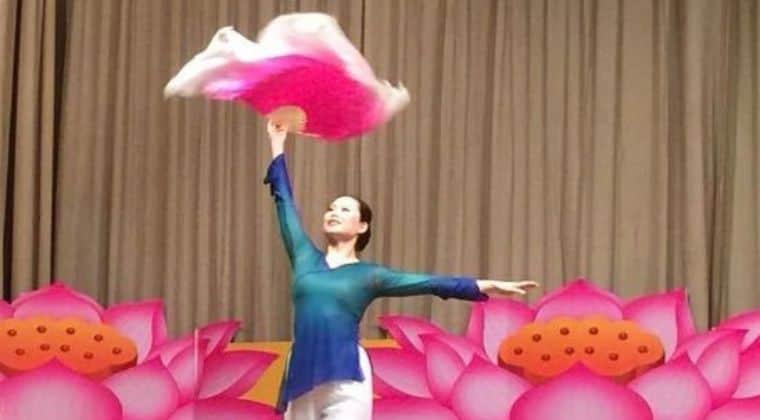
Chinese Theatre Works’ traditional performing arts variety programs present a broad cross- section of classical and folk performing arts including scenes from Chinese operas, music, and dance. All programs feature
Chinese Folk Dance Read More »
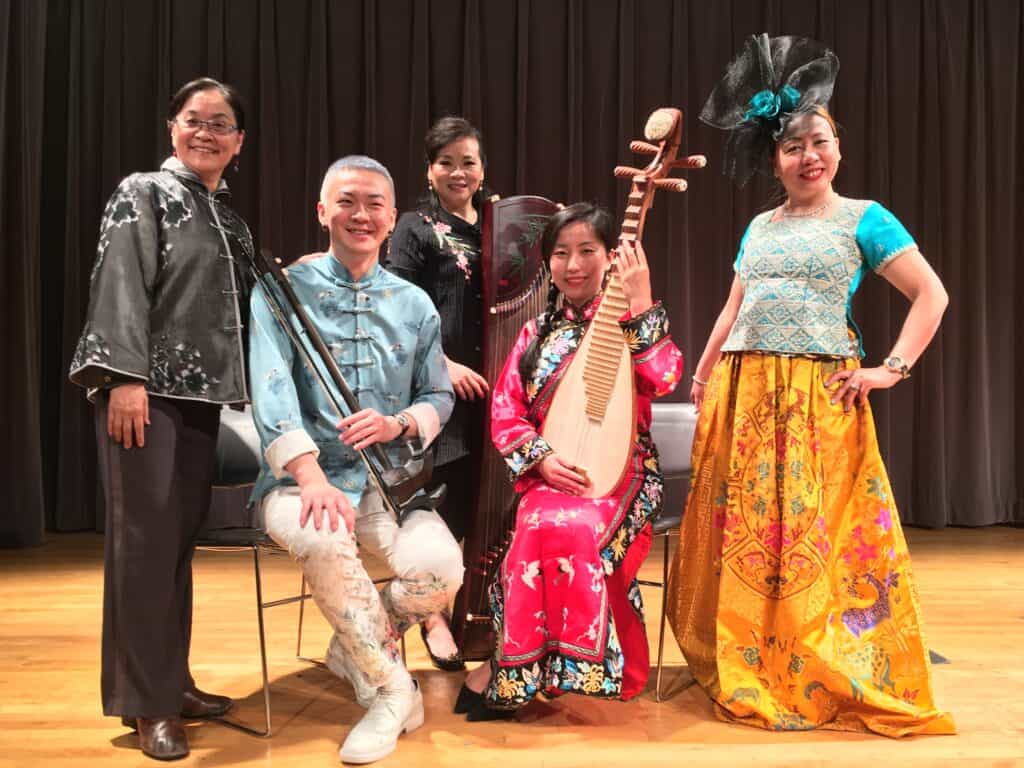
Chinese Theatre Works’ traditional performing arts variety programs present a broad cross- section of classical and folk performing arts including scenes from Chinese operas, music, and dance. All programs feature
Instrumental Music Read More »
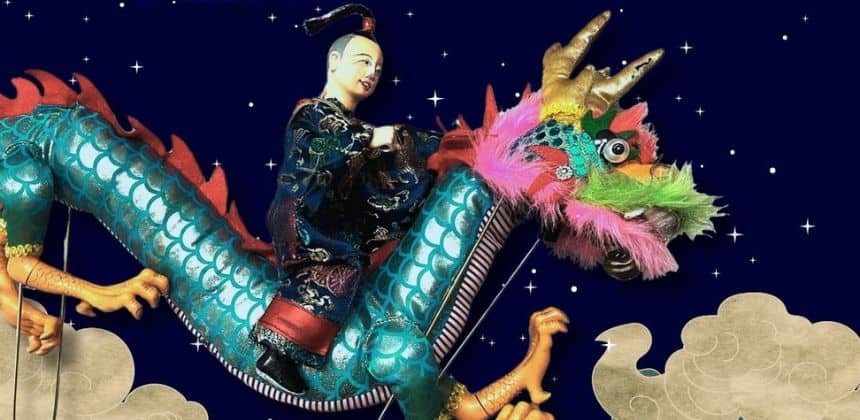
“Hao Bang Ah!” is a common Chinese expression meaning “Great!” or “Well done!” Each year, Chinese Theatre Works celebrates the Lunar New Year season with an original “budaixi” traditional Chinese
Hao Bang Ah! Dragon! (Premiere 2024) Read More »
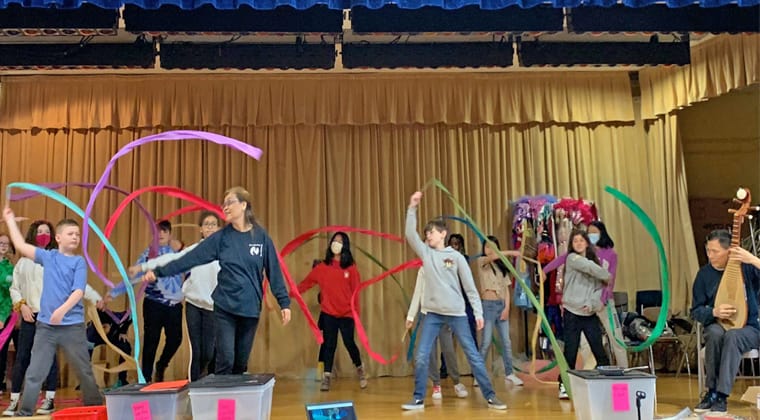
Melody and rhythm are universal languages, communicated through our bodies, voices, and music. This workshops uses traditional Chinese dance styles to introduce students to fundamental techniques in dance performance and
Music and Dance Workshop Read More »
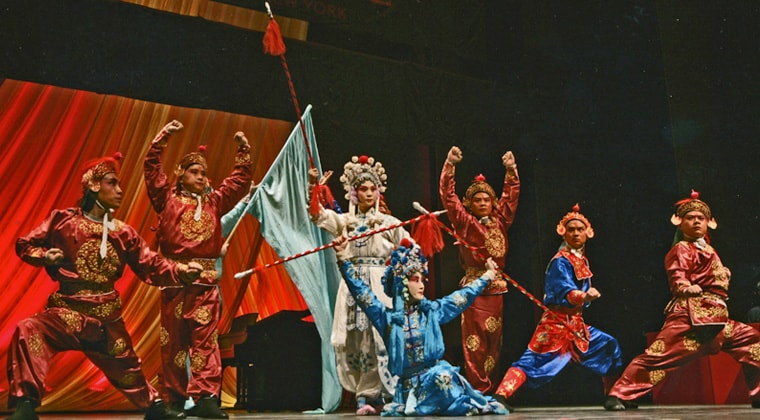
Chinese Theatre Works’ traditional performing arts variety programs present a broad cross- section of classical and folk performing arts including scenes from Chinese operas, music, and dance. All programs feature
Peking Opera and Kun Opera Read More »
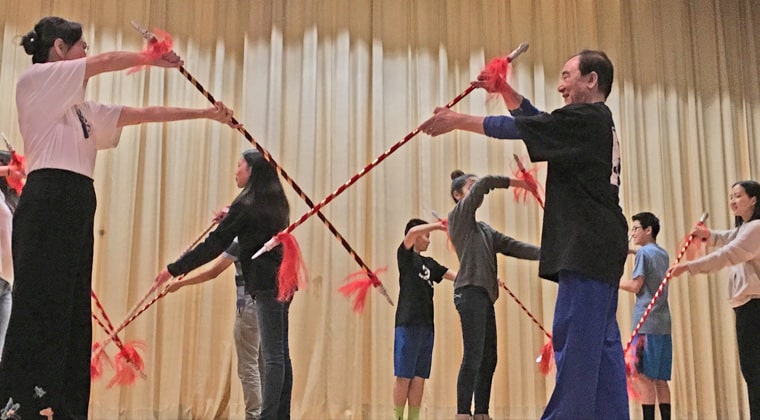
Like all forms of movement in Chinese opera, physical conflict— from small street fights to large scale warfare— is transformed into dance. Although heavily influenced by Chinese martial arts, opera
Chinese Opera Stage Combat Read More »
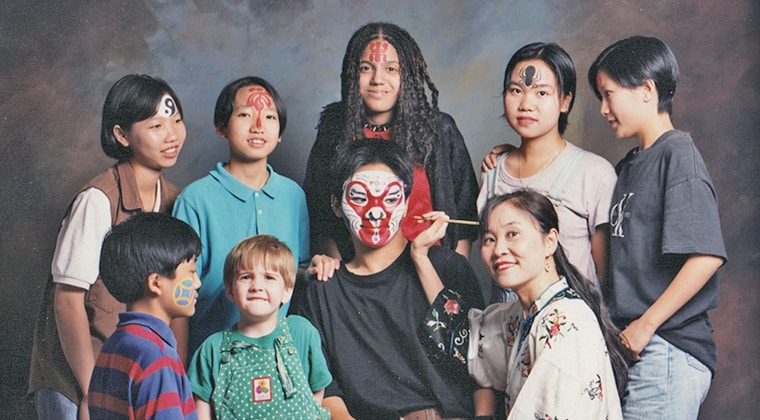
In cultures across the world, symbols and colors are frequently used to convey deeper meanings. In China, brides traditionally wear the color red which symbolizes happiness. Since the Yuan Dynasty
Chinese Opera Face Painting Read More »